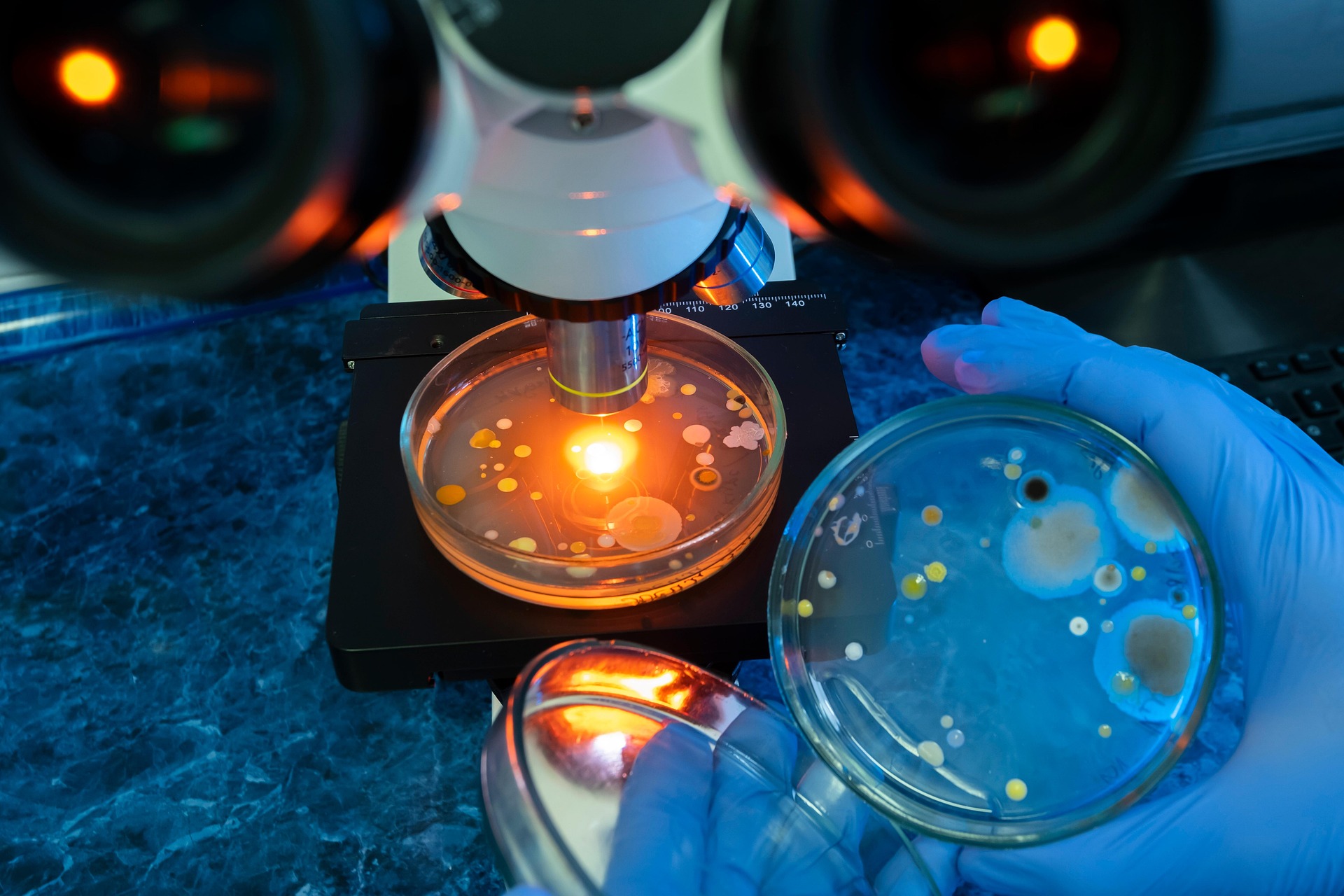
The intestine microbiome has been proven to affect tumor progress and contribute to therapeutic resistance. Scientists have concluded that there are each helpful and deleterious microbes throughout the intestine that may facilitate immune response to most cancers. Nonetheless, much less is thought concerning the micro organism within the tumor or the ‘tumor microbiome’. It has been established that tumor micro organism, comparable to Fusobacterium nucleatum, promote most cancers progress and aids in evading the immune system. Particularly, micro organism throughout the tumor creates low oxygen niches, which may promote progress by inducing a hypoxic tumor microenvironment (TME) poisonous to wholesome immune cells. These niches may facilitate dormancy and resistance to chemotherapy. Dormancy is the method by which cells hibernate and grow to be undetected till an inner stimulus triggers their activation sooner or later. Whereas micro organism have been implicated as a tumor promoter in some cancers, it’s nonetheless unclear how a lot they contribute to different types of most cancers remedy.
Immunotherapy is a type of most cancers remedy that prompts the immune system to acknowledge tumors. Within the context of most cancers, tumors discover methods to evade immunity; nonetheless, immunotherapies work to beat underlying mechanisms that present tumors an escape route. At present, nearly each most cancers remedy includes a mix of immunotherapy. Sadly, tumors persist, and immunotherapies are solely efficient in a subset of sufferers. This restricted efficacy is correlated to the kind of most cancers and the stage of illness. Scientists are presently working to grasp why some tumors are extra immune to immunotherapies in comparison with others.
A current article in Nature Cancer, by Dr. Tim Chan and others, demonstrated that micro organism in head and neck most cancers suppresses immune response and restricts immunotherapeutic efficacy. Chan is a physician-scientist and Chair of the Heart for Immunotherapy & Precision Immuno-Oncology on the Cleveland Clinic. His work focuses on understanding the genetic growth of tumors and how you can enhance remedy response. Particularly, his group makes use of large-scale computational evaluation to study what drives tumor development. Chan and his group hope to develop higher diagnostic instruments and enhance most cancers remedy outcomes.
Chan and others have shifted away from genetic markers and targeted on the tumor microbiome. The examine identifies how micro organism influences remedy efficacy. The staff used computational evaluation to determine key micro organism that result in remedy resistance. This new strategy permits physicians to raised choose the most effective remedy technique for his or her sufferers. It could additionally assist predict focused antibiotic remedy outcomes. The findings from mouse fashions had been validated in head and neck most cancers affected person samples. Curiously, a second group that Chan collaborates with at Cleveland Clinic additionally printed their work in Nature Most cancers demonstrating that anti-PD-1 immunotherapy together with chemotherapy carried out worse than chemotherapy alone in sufferers with elevated head and neck most cancers micro organism.
Each research clearly conclude that elevated tumor micro organism appeal to cells that suppress the immune system, which is required for immunotherapy to have an impact. Importantly, every examine gives perception into why immunotherapy will not be all the time efficient in sure most cancers sorts. Future work is investigating antibiotic methods to cut back the tumor microbiome and enhance immunotherapeutic efficacy. Total, this work suggests tumor micro organism is a needed barrier that should be addressed to reinforce immunotherapy outcomes.
Trending Merchandise